A Haibun of Shelter

Written for dVerse Haibun Monday: Give Me Shelter, 8/26/22.


Competitive Cooperation

Soldiers, farmers, and lovers all seek the same shelter. Protection from nature’s miseries is ubiquitously sought and taken. Adapt or die. Respect not given wisely results in lessons learned only for brief periods.

Her glorious beauty shows in the warm sunrise that follows the night’s frightful, unsheltered story. The singing bird allows for the climax of thunder as from lightening, all seek cover. Even snakes warm in the sun.

Rain or dry seasons, Nature judges the foolish lover, the seeker of warmth without cover, harshly. Live and learn; learn and live.

respect nature first
awesome beauty is the beast
take cover or die


Look both ways when seeking escape or shelter.
Better to mind the gaps and wait for the storm to pass
than to win the latest Darwin Award.

Click here to find more Haibun.

R – Renga, The Poetry of Art (NaPoWriMo #21)

Renga is a longer poem alternating three and two line stanzas. Sue and I collaborated on this one. She wrote the haiku and I did the couplets following. She used the 5, 7, 5 syllabus pace and I used 7 for each line. We decided to write this so each couplet is related to the previous haiku, and the entire poem shares a theme. The final stanza completes the poem and the circle. Sue’s blog, An Artist’s Path, is here.


The Poetry of Art
By: Bill Reynolds & Sue Viseth

’tis a fickle thing
the words in verse, prose, and rhyme
chosen over time

feel the beat and tap those feet
catch the bop and keep the time

poetry is song
music from the heart and soul
sing it to the world

poet’s voice is here, voice is there
voices writ in blood and bone

no word writ in stone
rather, molded from the clay
poets turn the wheel

words are medium on wheels
the quill a master’s pallet

the artist within
molds the clay and sings the songs
a poem is born

something deeper than the poet
the words take form and art is

share art with the world
come together and create
poets live forever

Look both ways for poets and poetry,
but mind all the gaps.

Haiku

Haiku is both a form and genre of poetry. Poems are short. Haiku is of Japanese origin and consists of three lines, usually with 12 syllables.  The first and third lines normally have five syllables each, and the second seven. Exceptions abound.

According to some, haiku captures a moment when nature is linked with human nature. As a newbie, I stuck to the traditional form, but the history of haiku includes many variations. Many haiku are penned every day and in many languages, throughout the world. These are my first three.

***

Curves

The wet path it curves
See as plants touch with plants
With different sounds

*

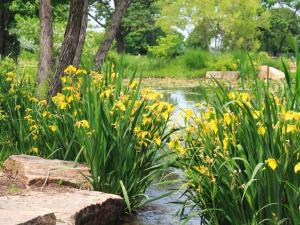
Growth

In the cold spring rain
Clinging to the earth below
Yellow flowers grow

*

Click this photo to go a page to hear the sound, whip-poor-will is an onomatopoeia.

Comfort

Still warm and dark night
Stars quietly fill the sky
A whip-poor-will sounds

***

Always look both ways
Every day write some haiku
And mind all the gaps