

Life is simple. We are born, we live, then we die. Nature isn’t simple. Human nature is neither simple nor consistent. We are emotional creatures. Have you ever heard “I over E,” meaning intellect over emotion? I’ve also been told, “lead with your heart,” “go with your gut,” “trust your intuition.” Has anyone ever told you “get over it (Eagle’s song notwithstanding)” or to “cheer up?”
This is about our relationship with sadness. I am not talking about clinical depression or that which is caused by chronic physical pain. This is about things that make us sad. To pull the fence in a little tighter, I’m also not talking about those things in our lives that cause us to feel sad. Such events as the loss of a pet or loved one, denial for promotion, or failing at something important do us make us sad. I’m talking about self-inflicted sad things that we choose to bring on ourselves consciously and deliberately–for pleasure. It’s a paradox, but it’s one of those things about human nature that I love.
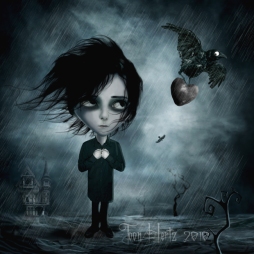 Stephen King has made a successful career out of scaring the hell out of many of us. We (not all) like to be frightened. Scary movies are fun. They are not for everyone, but a lot of people love them. Why? Is it the same with sad books, movies, songs, or plays? We keep going back for more.
I don’t think I am going out on a limb by saying that we like sad songs. They make us feel good. It’s true and you know it. I love dark, sad poetry, sad movies, books, and songs. But few who know me would say I am sad. This has been going on with people as long as we have had any form of entertainment. For evidence of my claim, I offer one research report and one report on an Ohio State University professor.
- “The pleasures of sad music: a systematic review” is quite long, but the abstract gets the point across.
- “Smiling Through the Tears: Study shows how tearjerkers make people happier” is a down to earth report of research projects focused on movies.
 My focus here is music. A friend loved the song Dance Me to The End of Love by Leonard Cohen. That is until she learned that the inspiration of the song was in fact the Holocaust. It is a lovely and beautiful song, but that sadness changed the song for her. The song is not sad by itself, but because the inspiration was so tragic, her opinion of the song changes from love to sadness.
When we listen to sad songs, we like them. Country & Western music is replete with sad songs. In the opinion of many, including Elvis, the saddest song ever was I’m So Lonesome I Could Cry by Hank Williams (1949). I want to warn you, when I hear this song it plays in my head for hours afterward (this is BJ Thomas).
Another I like is Unchained Melody by the Righteous Brothers (1965). Actually, the song is much older than that. It is one of the most recorded songs of the 20th century. The song’s publishing manager reports over 1,500 recordings have been made by more than 670 artists in multiple languages. In 1936, Bing Crosby turned it down.
My third choice, I Will Remember You by Sarah McLachlan (1996), is in close running with about a hundred others.
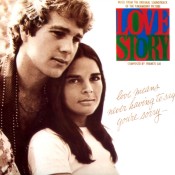 For sad movies, I have listed only five. It could be hundreds.
 Love Story (1970)
- Ghost (1990)
- The Green Mile (1999)
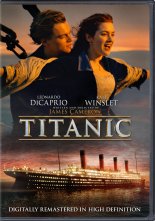
- Titanic (1997)
- P.S. I love you (2007)
We all have our favorites. That is my final bit of evidence. We wouldn’t enjoy sad songs, movies, books, plays, and art if they made us feel bad. What are your favorites in sad music, movies, plays, books, or art?
 This may be the most difficult topic for me, but it’s early in the A-to-Z Challenge. I may find subjects that are greater challenges. Regarding the dark side of human nature, I would simply prefer to accept it and move on. My research of our dark nature has revealed that we humans actually want to deal with it in reality, art, life, drama, poetry, fiction, behavior, and nature. Many of us admit to a duality of human nature, but even more of us reject the dark truths.
 My dark side calls to me. I ask, “What do you want?”
 In addition to Oscar Wilde (The Picture of Dorian Gray), which I’ve read, I shall add the following.
 Our Literary Journey